
The category of work clients are unwilling to pay for is expanding. What billing guidelines started, AI expectations will accelerate. Firms that haven’t addressed the coordination layer won’t just absorb the current cost
.avif)
When preparing a witness, don't waste time teaching them combat tactics. Get to the hard stuff.
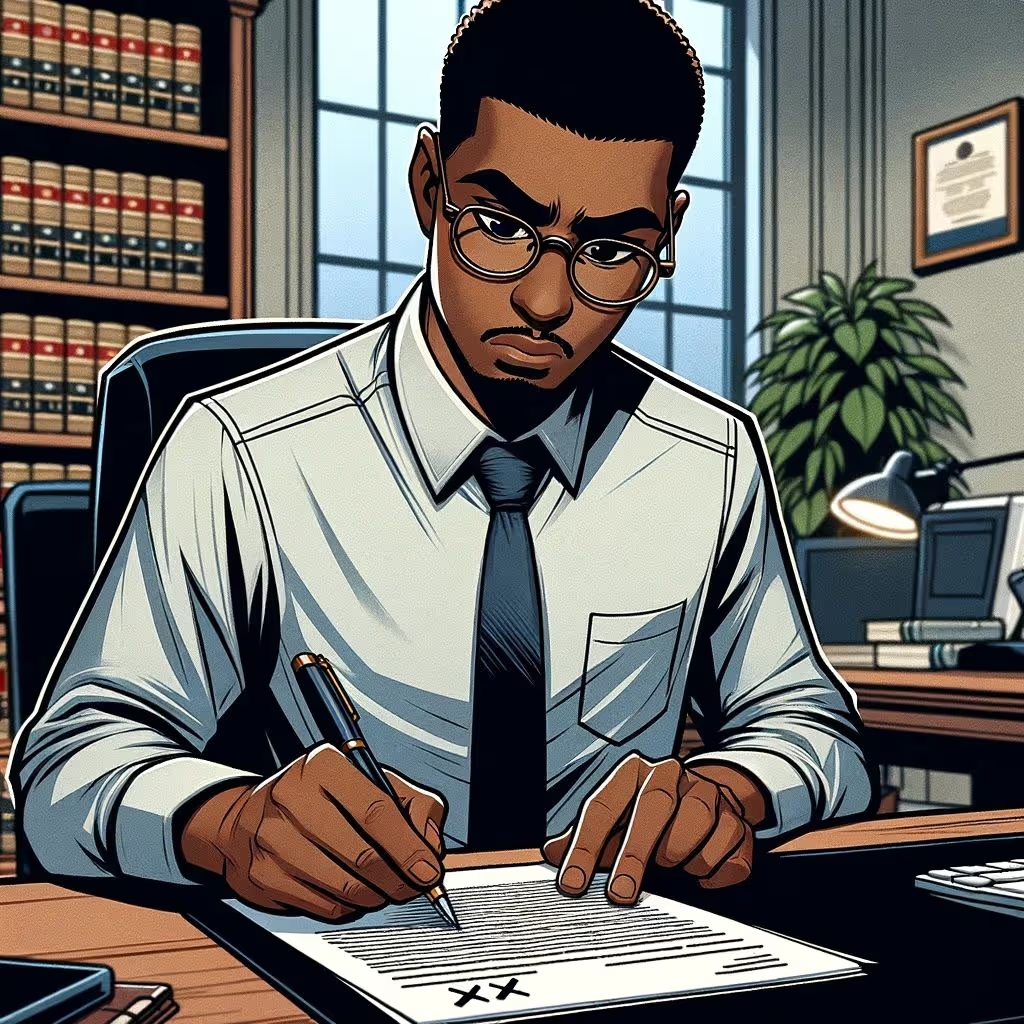
Strong depositions start with disciplined prep. Define clear goals for each outline section to avoid drift, stay focused, adapt in real time, and use limited deposition time strategically.

Writing every question in advance exposes risks early, prevents surprises, and builds disciplined deposition skills. It sharpens judgment before the room, not inside it.

Pasting document clips into your outline keeps everything in one place. It eliminates binder juggling, saves time, and helps maintain rhythm and control during depositions.
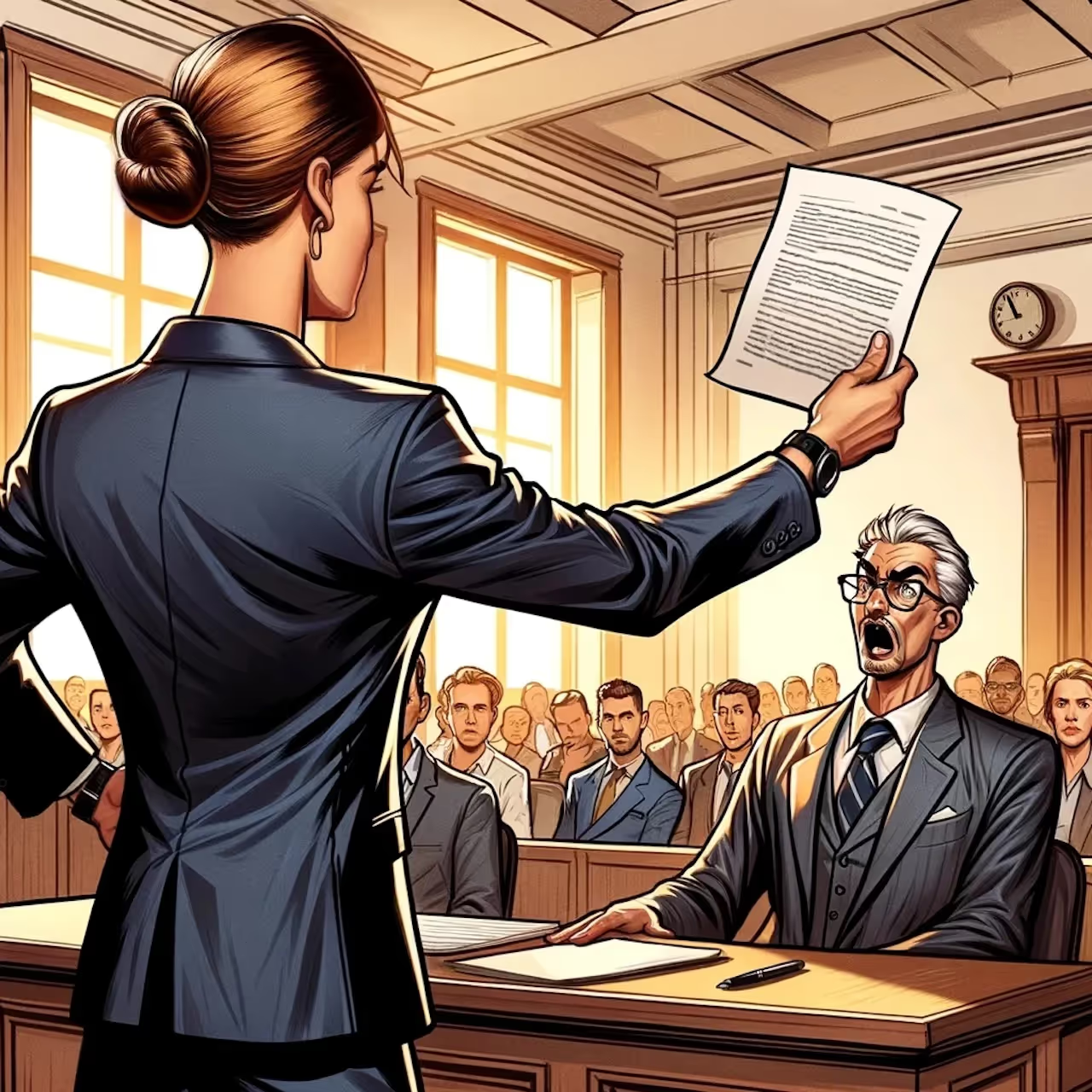
Effective impeachment requires precision, not improvisation. Match prior statements exactly, control the witness through tight logistics, read the contradiction clearly, then move on.
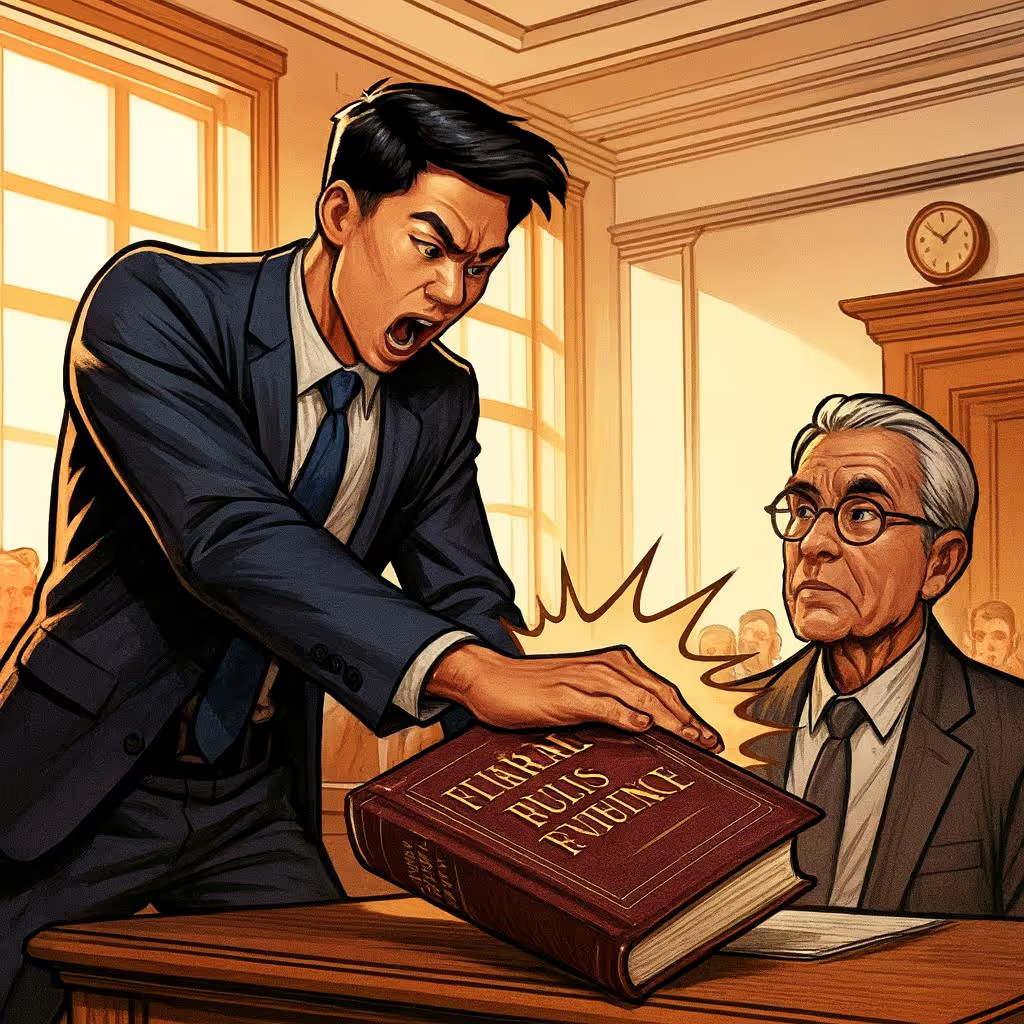
Impeachment is a skill learned by practice, not rules. Learn the mechanics first, then understand how evidence rules—especially hearsay and prior statements—apply.

Refreshing recollection is riskier than impeachment but useful when done carefully. It can pressure a witness, correct a denial, and keep control without escalating conflict.

On minor points, impeachment isn’t always optimal. Refreshing recollection can fix a “light no” while preserving flow, tone, and witness cooperation.

To get clean yes/no answers, don’t start with the impeachment question. Use a series of simple, uncontested yes/no questions as a “runway.” This makes it much harder for a witness to evade the key admission.

Depositions are valuable only if answers can be reused on cross-examination. Discovery or motions don’t change that. If testimony can’t become a clean cross question, it isn’t truly usable evidence.

Most deposition questions are “mud” used to move the witness and build context. Stay casual there. When an admission appears, switch to precise, clean questions to extract a usable “crystal” for cross-examination.
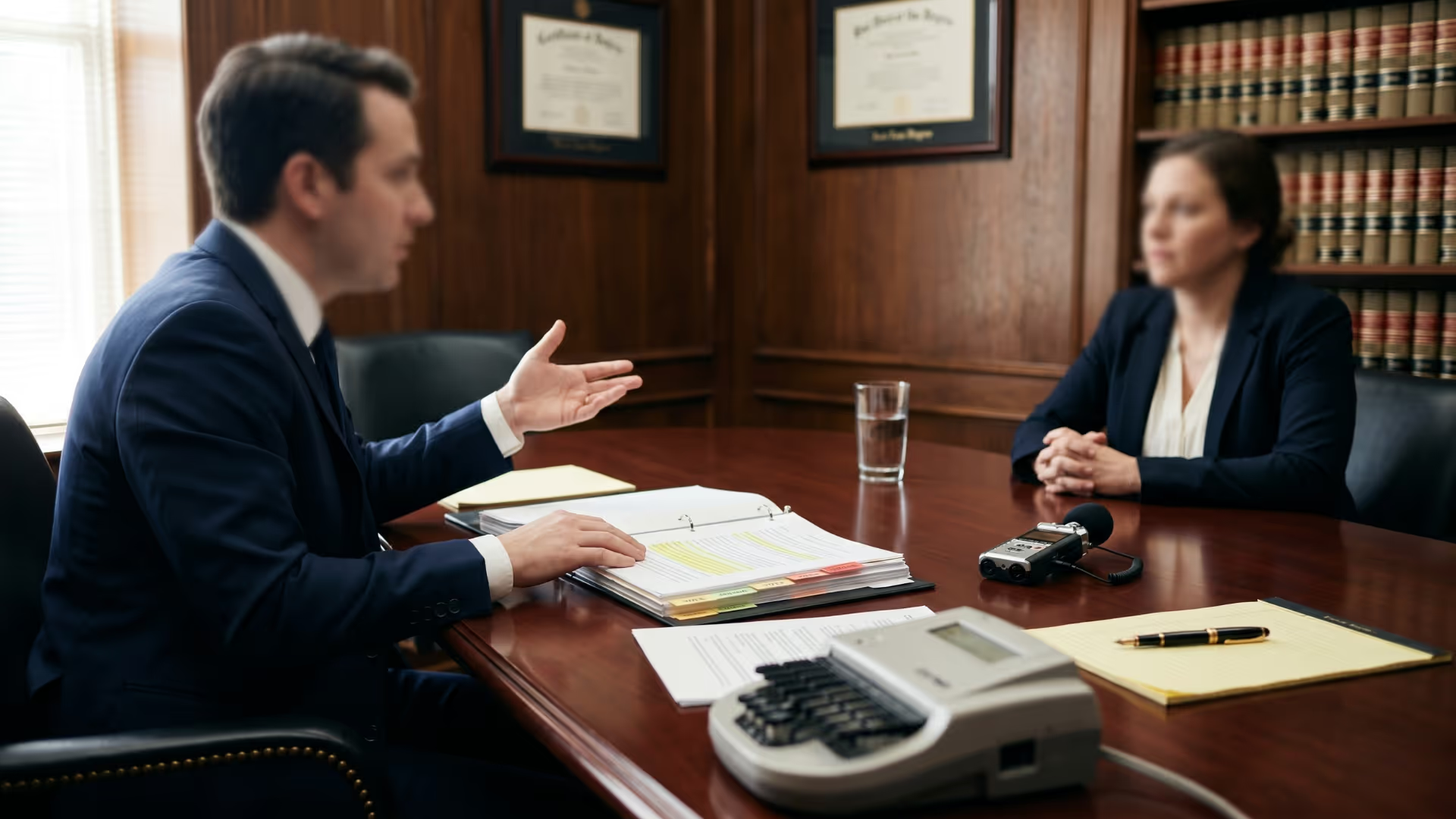
When a witness gives a long, muddy answer with an admission inside, it’s unusable for cross-exam. Break the answer into short, controlled questions to isolate clear, precise admissions you can actually use.

Align is the only digital case binder platform built exclusively for litigators. Founded by a former top-tier litigator, Align delivers a familiar, secure, and reliable way to prepare, organize, and present your cases.
.avif)